
Welcome to the Wild Medic
We Provide Extreme Medicine & Mindset Training.
So you will never feel un-prepared again.
What We Do:
We help people in high stakes environments optimise their mindset, beat stress & build resilient teams.
Whether you're wanting to up level your company, career or crew, ensuring the safety and well-being of your participants is paramount.
Why Choose Us?
Experts in Extreme Medicine, Mental Health & Mindset Training for Remote, Luxury, High Stakes Environments.
Running a luxury, high stakes outfit can be overwhelming. You need more than just the best itinerary and stunning locations. You need to be prepared for any situation.
We can provide you with Coaching, Courses & Workshops (Live & Online) which equip you with the knowledge and tools to handle emergencies. You will also learn how to manage: Risks, mental health, mindset & people.
And most of all provide an unforgettable experience for your clients.
We also provide Team Building & Equine Assisted Leadership for developing communication within teams, trust & empathy. Essential skills required for every moderns day leadership role.
The Wild Medic essentially covers all aspects of Wilderness Medicine including Marine medicine.
We also have a bespoke section for Superyacht & High Performance Race Yachts. It is called The Yacht Medic.
Whether you prefer to be out in the wild, or at sea, you will LOVE the Adventure Ready Program.
Our signature offer is the Adventure Ready Program, designed specifically for those who are passionate about creating safe, successful, and unforgettable adventures, retreats, and events.
Our clients are typically yacht captains, pilots, expedition leader & doctors, event/retreat facilitators, luxury tour operators, personal trainers, teachers & parents.
This program, delivered on line & in person, is tailored to equip you with the essential skills and knowledge needed to navigate the complexities of planning and executing exceptional experiences.
Course Objectives
Throughout this course, you will:
- Learn to conduct thorough risk assessments and develop robust emergency management plans.
- Build resilience in yourself and your team to handle stressful situations effectively.
- Master psychological first aid to support participants and staff during crises.
- Embrace different leadership styles to inspire and guide your team.
- Understand human behavior in extreme conditions and lead your team from fear to flow.

The Ultimate Leadership Checklist- Our Free Gift to Fast Track Your Preparedness
Ultimate Leadership Checklist is your go-to resource for ensuring every detail is covered.
Comprehensive Planning Guide
Step-by-step instructions to help you plan from start to finish.
Emergency Management Plan
Detailed procedures to handle any crisis effectively.
Risk
Assessment
Identify potential risks and outline mitigation strategies.
Psychological First Aid
Train in recognizing distress signs, provide trauma support, and conduct effective debriefings.
Team
Building
Fun and engaging exercises to strengthen your team. Plus, effective Communication Tips.
Medical Preparedness
Stock a complete First Aid Kit, ensure specialized supplies, and maintain staff certification
Blog
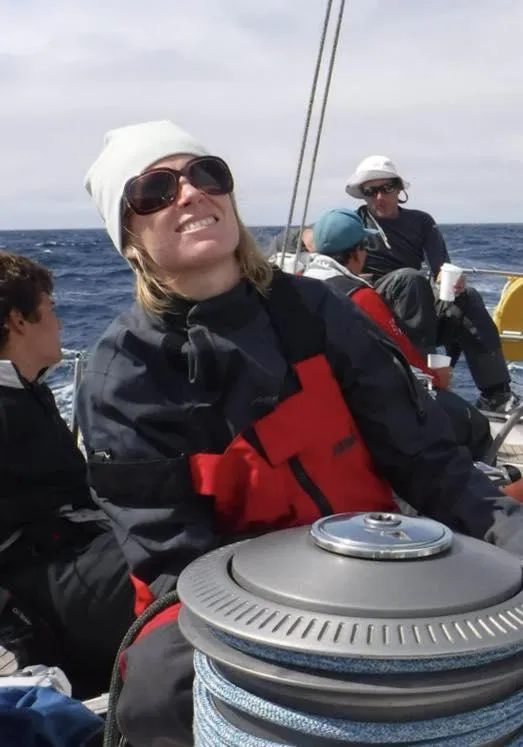
When the Emergency Ends but the Shock Remains - and some BIG NEWS!
When the Emergency Ends but the Shock Remains - and some BIG NEWS!
World Mental Health Day 2025 — Mental Health in Catastrophes and Emergencies
When something goes wrong at sea, we all know what to do.
We run the drill. We assess. We act.
We’re trained for chaos — but only the kind we can see.
What happens when the incident is over, the person survives — but the crew can’t stop replaying it?
When the captain who performed CPR can’t sleep?
When everyone returns to work as if nothing happened, yet no one feels quite right?
That’s the part of an emergency we rarely talk about — the psychological aftermath.
And this year’s World Mental Health Day theme — “Access to Services: Mental Health in Catastrophes and Emergencies” — could not be more relevant to life at sea.
The Invisible Wound
At sea, we’re trained to treat burns, fractures, hypothermia — but not the invisible injuries that follow trauma.
Critical incidents leave deep neurological and emotional imprints.
The body may be safe, but the nervous system hasn’t caught up.
I’ve seen captains lose focus after a serious medical emergency, stews break down days after a crisis, engineers replay near misses for months.
These aren’t signs of weakness — they’re the physiological echoes of trauma.
Yet, because we don’t talk about it, many crew suffer in silence.
We Train for Emergencies. It’s Time We Trained for the Aftermath.
The WHO reminds us that mental health care must be part of every emergency response — not something added later, or accessed only on land.
On yachts, that means:
Training captains and medics to recognise early stress reactions.
Including psychological first aid in safety drills.
Making telemedical and mental health support part of every contingency plan.
When we treat emotional injury with the same urgency as physical injury, we prevent burnout, protect crew cohesion, and save careers.
What Psychological First Aid Looks Like
After a critical incident, people need calm, safety, and connection.
It’s not about therapy — it’s about leadership.
Acknowledge what happened. Don’t brush it off.
Normalise reactions. Stress is expected; it’s biology, not weakness.
Check in quietly over the next 48–72 hours.
Model calm. Your tone and breathing regulate everyone else’s.
The goal isn’t to fix — it’s to stabilise.
When the leader is grounded, the crew follows.
Access at Sea
The WHO theme — Mental Health in Catastrophes and Emergencies — is a wake-up call for every high-stakes environment.
Access shouldn’t depend on geography.
At sea, support looks like:
Rapid access to telemedical mental health professionals.
Leaders trained in PFA and debriefing.
Time to process before diving back into routine.
The most resilient teams aren’t the toughest — they’re the most supported.
A Personal Note
After years of teaching marine medicine, I’ve learned that a crisis doesn’t end when the bleeding stops.
It ends when the body and mind are both safe again.
That’s why I’m thrilled to be now, as of this week, working with MedAire, delivering Emotional Health and Wellbeing Training for yacht crews and captains worldwide, along withEmma Kate Rossand the crew atseasthemind(I am still doing regular medical training too, of course!)
Together, we’re bridging the gap between medical care and mental health care — helping leaders recognise, respond, and recover from the hidden impact of emergencies at sea.
The Takeaway
We’re all trained to handle the mayday — but the real test comes after.
If we can normalise emotional recovery the way we normalise safety drills, we’ll build a maritime culture that’s not only skilled, but truly resilient.
Because leadership in a crisis isn’t just about saving lives — it’s about protecting the people who keep them safe.
Founder of the Wild Medic
Manda J Beaver
(Amanda Jean Hewson Beaver RN)
Manda combines nursing, emergency medicine, and international public health to support leaders in yachting, retreats, and expeditions. She has trained thousands, including Olympic teams, focusing on marine and remote medicine. Manda's approach integrates practical skills, resilience, and leadership coaching to ensure clients are ready for any challenge in the wild or at sea.